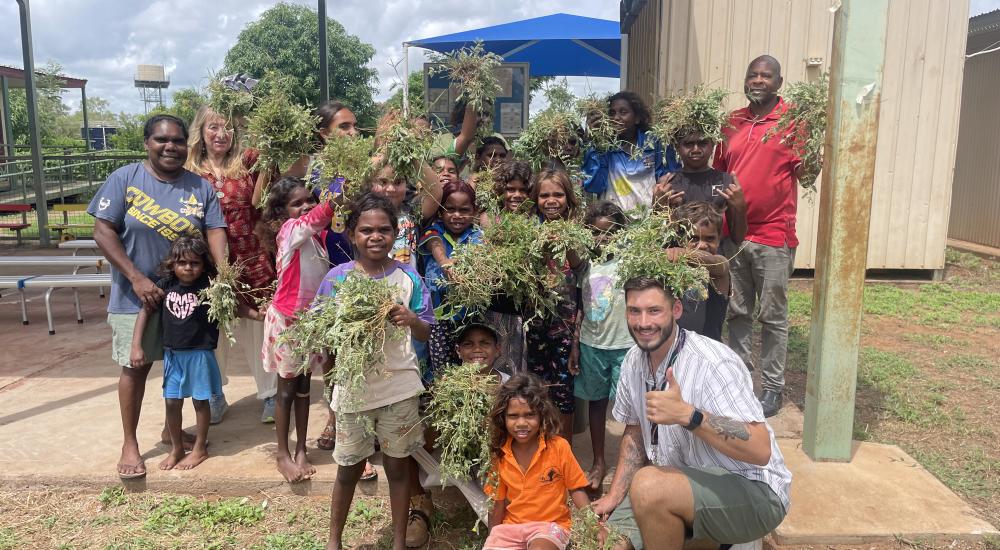
Over 70% of Northern Territory (NT) government schools are in remote areas and nearly half of all Territory students are enrolled in them. Teaching in a remote NT community offers a chance to make a meaningful impact, grow professionally, and live a lifestyle far removed from urban life.
Why teach remote
Teaching remotely is unlike any other experience. You may be far from your support network, adjusting to a new culture, language, and way of life. But for many educators, it’s a life-changing journey that strengthens their teaching and deepens their understanding of community.
You’ll have the opportunity to:
-
Collaborate with Aboriginal Team Teachers
-
Teach students for whom English may be a second, third, or even fifth language
-
Build lasting relationships with local families and elders
-
Positively influence educational outcomes
-
Gain skills that can accelerate your teaching career
“Come with an open mind and remain that way. Preconceived ideas can limit your ability to listen and learn.”
— Remote educator, Northern Territory
Working in a Remote School
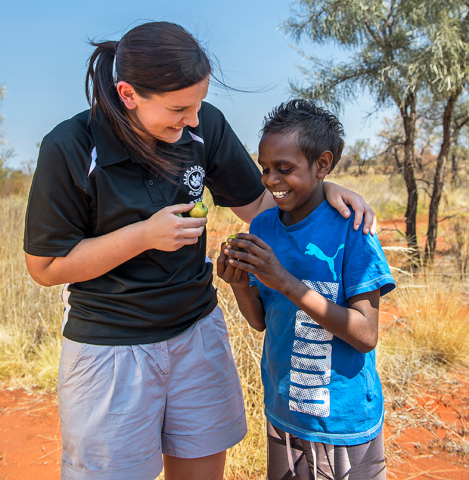
Remote schools in the Northern Territory vary in size, staffing, and facilities, but all share a unique cultural richness and a strong sense of community. Most schools are administered through one of the Department of Education and Training’s regional offices, located in Alice Springs, Tennant Creek, Katherine, Palmerston, Nhulunbuy, or Darwin. These offices host support staff who can assist and advise you in your teaching journey.
You may find yourself working alongside Indigenous colleagues in a range of roles, including principals, senior teachers, classroom teachers, and Aboriginal team teachers. Many of your co-workers will be long-standing members of the community, and some may be family members of your students. Larger schools may also include home liaison officers, cultural advisors, and attendance officers, along with office staff, cleaners, canteen staff, and bus drivers.
These community-based staff provide vital links between you and your students' families and can offer insights into local customs, relationships, and community dynamics. Understanding that each person brings a wealth of knowledge and experience will help you build strong, respectful working relationships.
“Remote teaching is a field of education all on its own, and the most successful bush teachers are those who consider themselves learners as much as teachers.”
— Remote educator, Northern Territory
- Incentives for Remote Teachers in the NT
-
Remote teaching comes with strong support, including:
- Financial incentives and relocation assistance
- Rental concessions and study support
- Travel and isolation allowances
- Guaranteed transfer after three years
- Higher Education Loan Program (HELP) assistance for teachers in ‘very remote’ areas
- If you're a teacher working in a ‘very remote’ area, you may be eligible for HELP debt assistance after teaching at a very remote site for 4 years. This federal government initiative is designed to attract and retain high quality teachers and provide important continuity of education and support for students in very remote areas.
- Teachers can claim for 2 types of assistance:
-
Waivers of indexation on their HELP debts.
-
Reduction of their HELP debts.
-
- For more information and to apply, see reduction of Higher Education Loan Program (HELP) debts for teachers in very remote areas on the federal government’s education website and complete the application form for the Very Remote Teachers Initiative.
Use the incentive calculator to estimate your entitlements.
- Working with an Aboriginal Team Teacher – A Team Effort
-
Aboriginal Team Teachers (ATTs) are a vital part of the classroom and are considered paraprofessionals who work according to the Aboriginal Team Teacher Professional Standards. These standards are aligned with the Australian Professional Standards for Teachers and many ATTs are pursuing or have completed formal study in education.
“Working well in an Indigenous community school means working respectfully. Think outside your culture and be open to teaching, learning and working both ways.”
— Remote educator, Northern TerritoryThe ATT who work with you are not aides – they are the other half of the teaching team. Support, respect, and promote their role as a team teacher and both you and your students will benefit.
Aboriginal Team Teachers bring:
- Deep knowledge of students and their families
- Insights into community customs, obligations, and relationships
- Language and cultural knowledge that helps bridge communication
- Experience and training that varies but is always valuable
Building a strong working relationship takes time, energy, and trust. It is important to:
- Deep knowledge of students and their families
- Insights into community customs, obligations, and relationships
- Language and cultural knowledge that helps bridge communication
- Experience and training that varies but is always valuable
You’ll know your team is effective when:
- You teach together in a way that promotes each person’s independence
- You both feel responsible for all students’ learning
- You support each other’s growth for the long term
- You hold high expectations — for yourselves and each other
This teaching partnership is more than a practical arrangement — it’s a model for your students of collaboration, mutual respect, and shared purpose.
Are You Ready to Teach in remote NT?
Reflecting on your readiness can help you prepare emotionally and culturally. Ask yourself:
- How well do I understand my own culture?
- Am I open to learning from different perspectives?
- What assumptions do I have about Aboriginal communities?
- How will I cope without familiar routines and support?
- Am I adaptable and willing to grow?
“Living in a remote community will teach you as much about your own culture as it will about another.”
— Remote educator, Northern Territory
Understanding Remote Communities in the NT
Every community is different — with its own history, culture, and languages. Before you go, research:
- Local leadership and community history
- Cultural practices and protocols
- Languages spoken
- Key events that may shape life there
Most communities have essential services like a school, store, clinic, and arts centre. Most residents are Aboriginal people with deep cultural connections to Country.
Flexibility is crucial — community obligations or cultural events may affect school attendance and daily routines. You’ll also find rewarding opportunities to join local activities and build genuine connections.
- Building Cultural Competence
-
Cultural competence is essential for respectful and effective teaching. It begins with self-awareness and grows through:
- Active listening and quiet observation
- Building reciprocal trust
- Respecting different ways of knowing and doing
- Learning from mistakes
Understanding kinship systems and skin names helps navigate relationships and classroom dynamics.
“As I learned more about Indigenous culture and language, I gained a deeper understanding of my own.”
— Remote educator, Northern Territory - Cross-Cultural Communication
-
Misunderstandings can happen across cultures. Communicate effectively by:
- Allowing extra time in conversations
- Using open-ended questions
- Avoiding raised voices or simplified English
- Asking respectful questions
- Sharing your perspective openly
- Listening closely and building trust
“People appreciate the effort to learn their language. Don’t be afraid to laugh at your mistakes together.”
— Remote educator, Northern Territory - Travel and Accessibility
-
The NT is vast and sparsely populated. Travel can be affected by weather and road conditions.
- Many roads are unsealed and flood-prone
- Animals and road trains can pose driving hazards
- Accidents often stem from unfamiliarity with local conditions
“Be aware — you might be cut off during the wet season. Once, we couldn’t leave for nine weeks.”
— Remote educator, Northern Territory - Permits and Land Access
-
Many communities are on Aboriginal land. You’ll often need permits to enter. Always ask permission before exploring bushland or sacred areas.
“Even long-time residents should ask before entering the bush. Traditional owners know where visitors can and can’t go.”
— Bulliwana et al., 2001
Preparing to move to remote areas in the NT
When moving to remote areas in the NT to teach you will have an experience like no other. Many educators say that working remote was some of the best and most memorable time in their life. Below you can find what to research before you go and what to pack.
- What to research before you go:
-
- Community culture and history
- Permit and alcohol restrictions
- Housing, weather, and access
- Internet and phone coverage
- Mail, fuel, food, and healthcare options
- Childcare and recreation
- Dress codes and entitlements
- Pet policies and vaccinations
- What to pack:
-
- Kitchen basics and linen
- Medications and ID
- Entertainment and personal touches
- Climate- and culture-appropriate clothing
- What to wear:
-
Respect local customs with modest clothing.
Recommended:
- Loose-fitting clothes
- Long skirts, pants, or knee-length shorts (women)
- T-shirts or sleeved shirts (men)
Avoid:
- Revealing, tight, or transparent clothes
- Strapless tops or singlets
- Swimwear outside of water activities
- Be professionally prepared
-
Before starting, get to know:
- NT Department of Education policies
- Literacy and numeracy programs
- Aboriginal Team Teacher collaboration
- School contacts and systems
- Student profiles
- Professional learning opportunities
- Settling into community life
-
Living remotely is about building relationships, staying curious, and learning alongside your students.
- Participate in community events — when invited
- Observe, ask, and listen
- Set boundaries for your wellbeing
- Keep a sense of humour and humility
- Reach out when you need support
“Seek advice, stay open, and don’t be too hard on yourself.”
— Remote educator, Northern Territory - Work - life balance
-
In small, remote communities, your workplace can become a big part of your social world. Here are strategies to maintain balance:
- Call family and friends regularly
- Talk about things unrelated to work
- Invite family or friends to visit
- Set time aside for personal space and rest
- Pursue study or join professional associations
- Connect with people outside your school
- Join or organise local social events
- Keep a diary to reflect on your experiences
- Take regular breaks outside the community
- Maintain hobbies and interests beyond teaching
- Culture shock
-
You may experience culture shock — a common reaction to entering a new cultural setting. Symptoms may include:
- Fatigue, irritability, or difficulty concentrating
- Withdrawal or feeling isolated
- Excessive sleepiness or emotional exhaustion
- Feeling misunderstood or overly self-conscious
- Frustration or criticism of local customs
- Homesickness
Understanding that culture shock is a normal part of adjustment can help. Prepare by reading about others’ experiences and reflecting on how you typically handle change.
Support is available, including:
- Local health clinics
- Your school principal and colleagues
- Department of Education Human Resources
- Mentors and online communities
Drop into the local clinic early on — staff can advise on available services and any recommended vaccinations for your area.